Frequently Asked Veterinary Refrigerator Questions
What is the Difference Between a Medical Fridge and a Standard Fridge?
A medical fridge is made to maintain a very specific temperature range and keep it at that level consistently. It usually includes alarms, monitoring systems, and more precise control features. A standard fridge wouldn’t be built with these elements in mind, and would be a risk for temperature-sensitive contents.
What Types of Products Need Refrigeration in a Veterinary Clinic?
Vaccines are most commonly kept in the refrigerator, as are certain medications, lab samples, and biological materials. These items usually need to be kept within strict temperature ranges. If these specific conditions aren’t maintained, the products can quickly become unsafe to use or ineffective.
What Are the UK Regulations for Storing Veterinary Medicines?
Medicines should always be stored in line with the manufacturer’s instructions, especially with regard to temperature. Practices are expected to monitor these conditions regularly and keep accurate records. This is all about ensuring that anything administered to an animal is still safe and effective.
What Features Should a Veterinary Refrigerator Have?
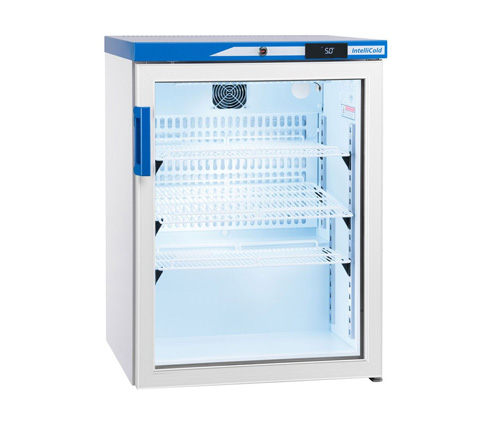
Reliable temperature control is the most important thing, as well as a clear display and an alarm system in case anything drifts out of range. Some units can also log data, which is really useful for your records. Lockable doors are also an important feature to consider.
How Do I Choose the Right Veterinary Refrigerator?
This completely depends on how much you need to store and what the items are. If you’re a smaller practice, you might not need a large unit, but temperature stability should never be compromised. It’s also worth thinking about the layout too, so that the fridge comfortably fits into your working space.
Do Medical Fridges Need Calibration?
Yes. Over time, the temperature readings become slightly less accurate, even if the unit is high-quality. Regular calibration can make sure the readings you’re looking at are correct, which is essential when you’re storing anything that needs strict temperature control.