Examine Patients with Ease Using Our Examination Lighting
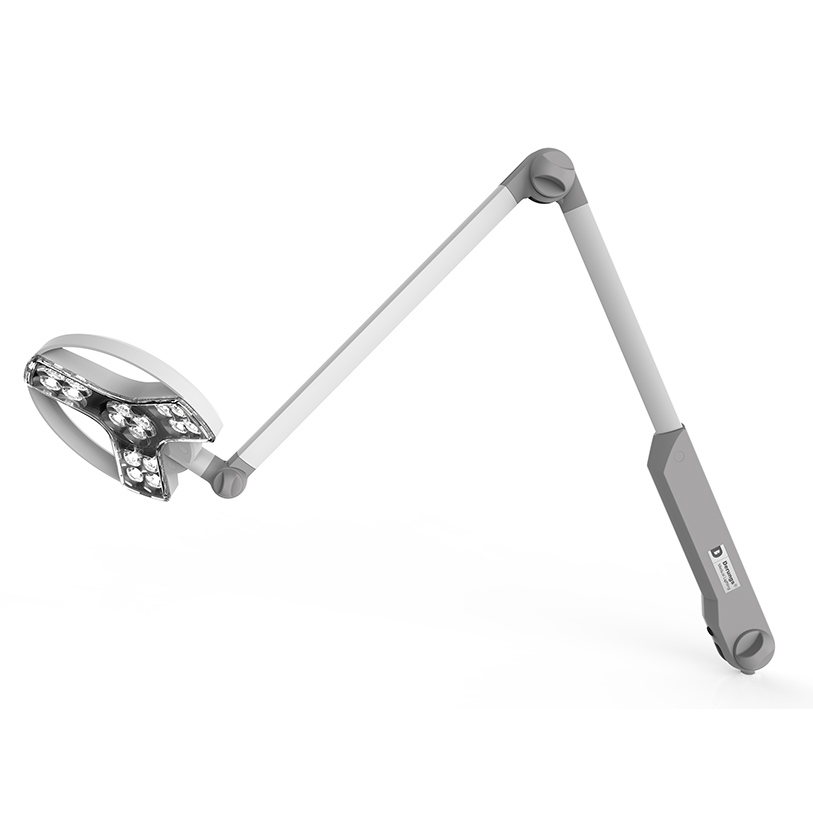
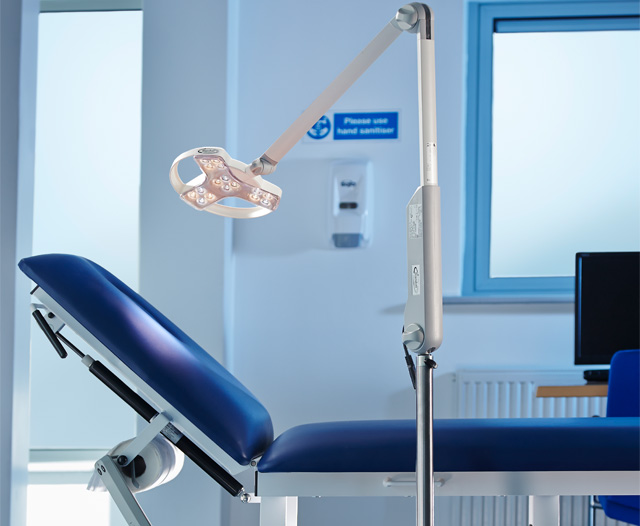
Technik Veterinary’s examination lighting systems are specifically designed to help eliminate operator fatigue and eye strain.
Various model options are available, including mobile base, desk, wall, rail or ceiling mounted. A 360° rotation design ensures ideal examination lighting for any procedure, without the restriction of cables and arms.
In addition, the adjustable colour temperature and an LED life of 30,000 hours ensure that our examination lighting solutions are environmentally friendly.
If you cannot find a system that meets your requirements, call us today and we will design it for you.
What is examination lighting in veterinary practices?
Examination lighting is a specialised clinical lighting system used during routine veterinary consultations and offers consistent, focused illumination to support staff in carrying out tasks such as check-ups, minor treatments, and physical exams. This type of lighting is designed to deliver high-intensity, shadow control, and accurate colour rendering, resulting in quality examinations and accuracy.
How does examination lighting reduce eye strain and operator fatigue?
Clinical examination lighting can improve overall visual comfort by combining sufficient brightness, reduced glare, and uniform light distribution. Balanced illumination prevents the eyes from overworking in dimly lit conditions, as well as reduces any harsh contrasts and shadows. The light’s high colour rendering also ensures optimal definition and distinction between different colours, making them easier to interpret.
What mounting options are available for veterinary examination lights?
Veterinary examination lighting is available in several mounting configurations that appeal to different facilities and room layouts, including:
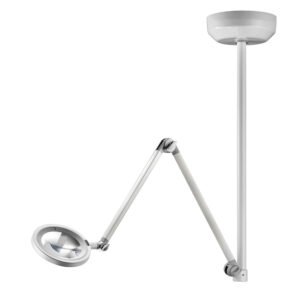
Ceiling-mounted lights: occupy less floor space whilst providing broader illumination
Wall-mounted lights: ideal for smaller or more compact rooms
Desk or bench-mounted lights: best suited for close-up examinations and workstations
Mobile units: easy to move between rooms and during procedures
What colour temperature is best for veterinary examination lighting?
Although the optimal colour temperature for examination lighting depends on the facility and procedures carried out, the best-suited temperature falls between 4,000K and 5,000K, with this range providing a neutral white light similar to daylight. Different ranges of temperature also include:
3,500K to 4,000K: best suited to general examinations
4,000K to 5,000K: ideal for detailed procedures and diagnostic work
5,000K+: best suited for high-precision tasks
How do I choose the right examination lighting for my veterinary practice?
Selecting the ideal examination lighting depends on a range of factors, from the types of procedures performed to the placement and location of the lighting. Other factors include:
Light intensity: finding the most suitable LUX for the type of examinations performed
Colour rendering (CRI): selecting the CRI amount for precise colour examination
Colour temperature: for clarity and eye comfort, aim for a neutral white (4,000K to 5,000K)
Adjustability: the ability to dim and have flexible positioning improves overall usability
Mounting type: consider based on work needs and facility